
The Unnamed Nominee
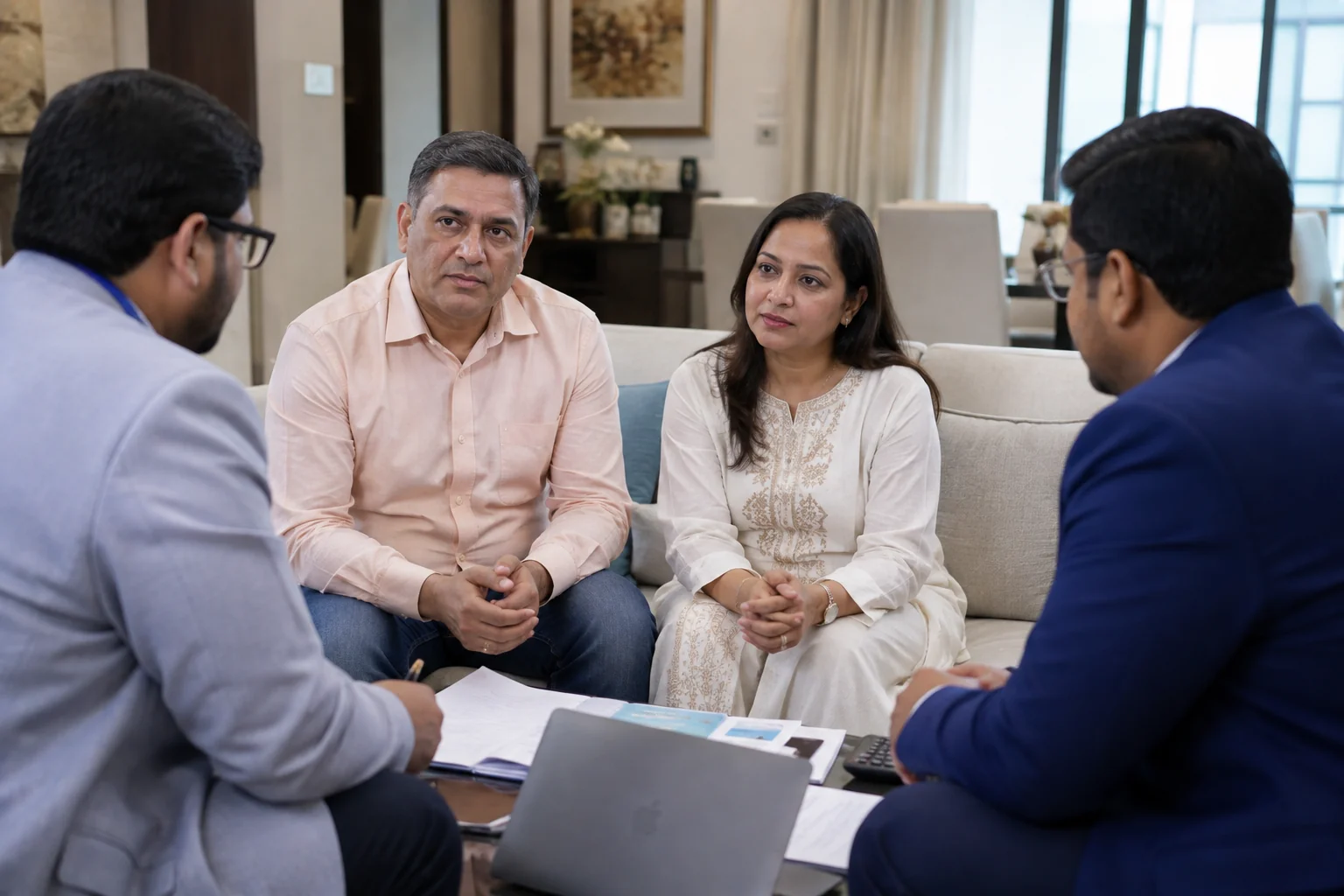
A family assumed the nominee on a deposit was the owner. Correcting the nomination and drafting a will prevented a dispute between three siblings.
Most disputes within families are not about money. They are about ambiguity: an unwritten intention, an unregistered property, a nominee who was never meant to be the owner, a business with no succession line.
Aarya Estate Planners and Legal Services was created because our financial clients kept arriving at the same question: what happens to all of this afterwards? Our attorneys, lawyers and advocates work alongside the same team that manages your investments and your books, so the plan on paper matches the assets in reality.
Every engagement is confidential. Documents are handled by named professionals, not passed around a team.
Estate planning starts with an inventory: property, deposits, securities, insurance, business interests, jewellery, digital assets and liabilities together with how each one is titled and who is currently nominated.
We then align ownership, nomination and intention so they do not contradict each other. A nominee is a custodian, not an heir; a joint holding is not always a transfer; an unregistered gift is not always effective. Correcting these while you are able to is the entire point of the exercise.
The outcome is a written estate plan: an asset register, a transfer strategy, the instruments required (will, trust, gift, nomination updates), and a review schedule.
For a family business, succession is a management problem before it is a legal one. Who runs it, who owns it, and who is compensated for not doing either these are three different questions, and they need three different answers.
We work with founders and the next generation together: mapping roles, defining ownership transfer, structuring buy-outs or trusts where interests diverge, and documenting the agreement while relationships are intact.
For personal wealth, succession planning means ensuring assets pass without a court process the difference between a family receiving what they were left in weeks rather than years.
A will is the simplest and most powerful instrument in estate planning and the one most often written badly. Vague wording, missing witnesses, unlisted assets and unregistered documents are the usual reasons a will is contested.
We draft, execute and store wills properly, and we revisit them when life changes: a marriage, a birth, a property purchase, a business sale.
A family trust separates ownership from benefit. Assets are held by trustees for named beneficiaries under terms you set which makes it useful where a will alone is not enough: a dependent with special needs, a minor beneficiary, a blended family, a business that must not be fragmented, or assets you want protected from future claims.
We advise on whether a trust is genuinely warranted, structure the deed, appoint and brief trustees, handle registration and stamp duty, and set up the ongoing compliance the trust will require.
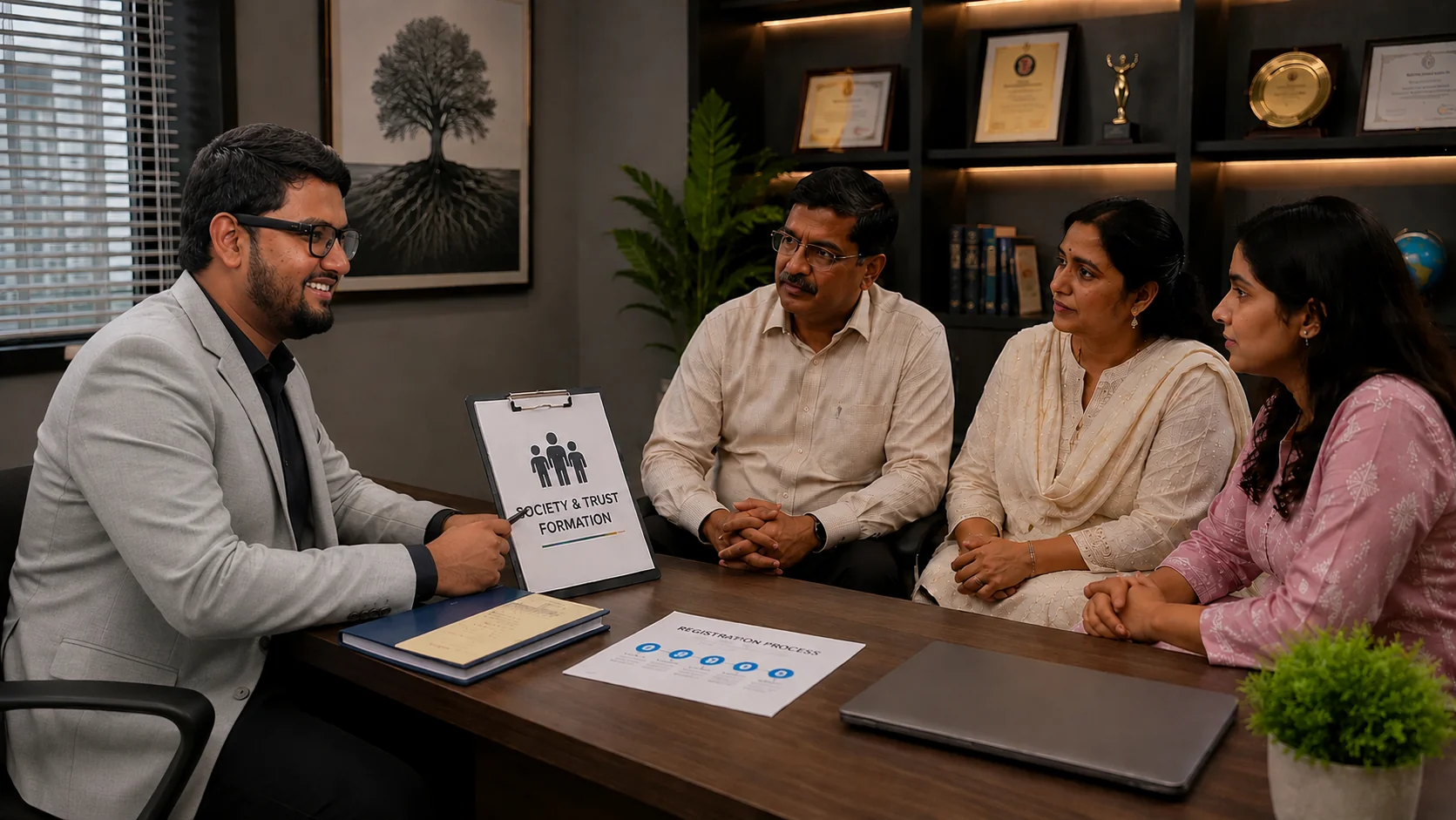
We register and maintain societies, public and private trusts, associations and Section 8 companies from name approval and deed or memorandum drafting through registration, PAN, TAN, 12A and 80G registrations and annual compliance.
Our not-for-profit clients include charitable trusts and old-cadet associations, for whom we handle statutory audit, financial statements and return filing alongside the formation work so governance and compliance stay joined up.
A family assumed the nominee on a deposit was the owner. Correcting the nomination and drafting a will prevented a dispute between three siblings.
A founder in his sixties with two children in different professions. A trust plus a documented family arrangement kept the business intact and both children fairly treated.
An inherited flat held jointly across four heirs with no mutation. Title cleanup and registration were completed in under four months.
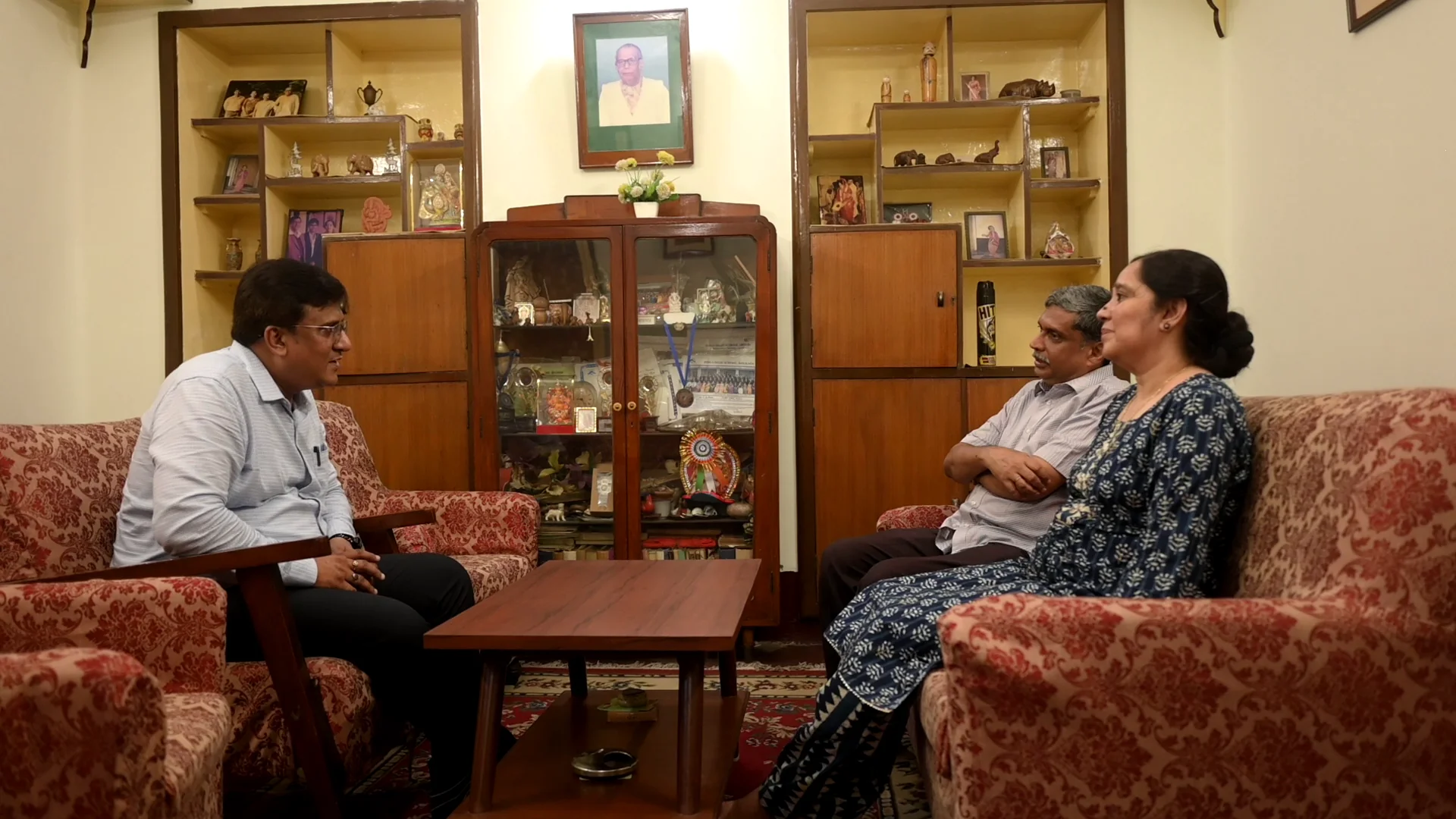
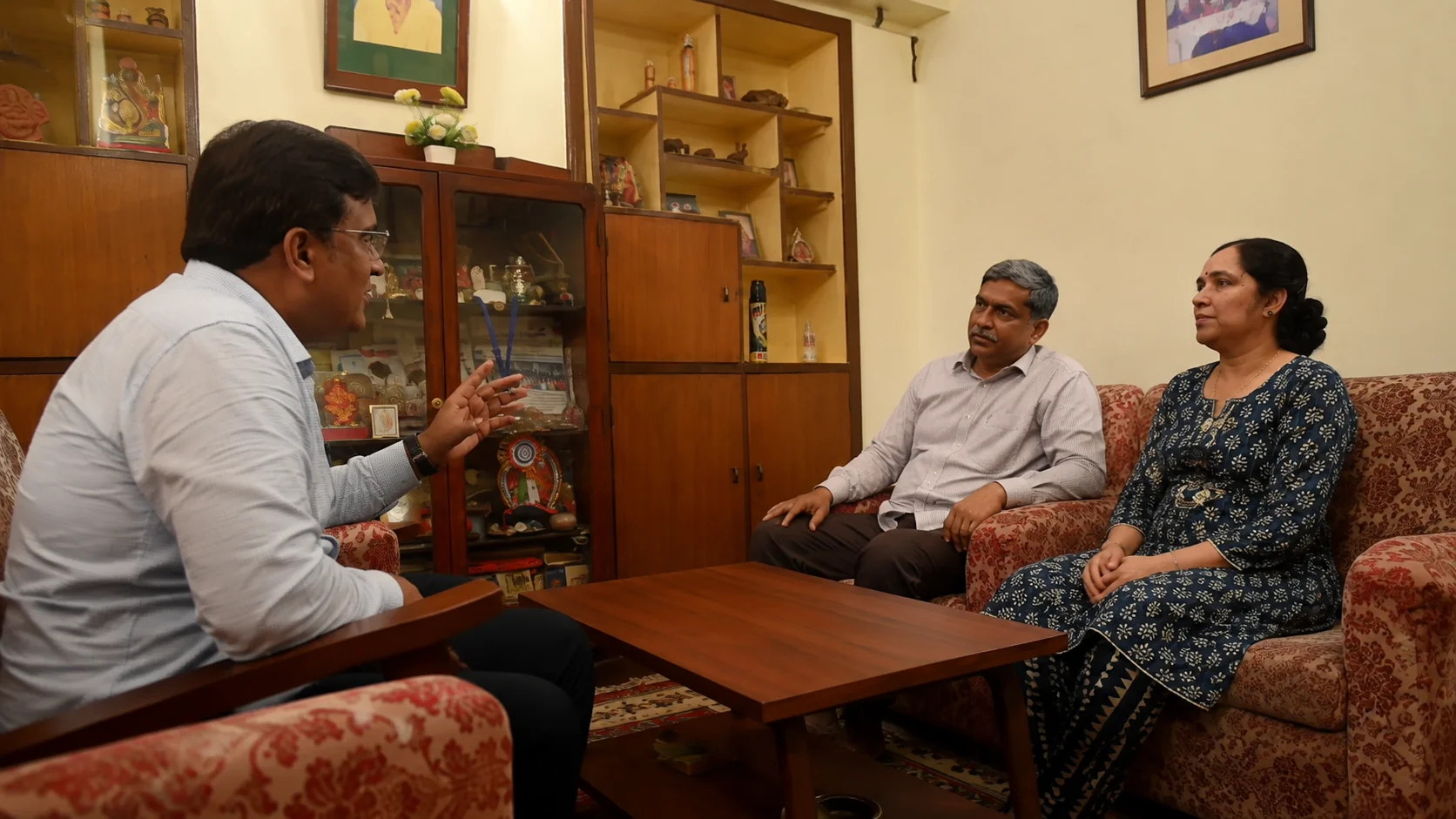
Our Chief Mentor on the three most common, and most avoidable, mistakes families make with inheritance.
Book a 15-Minute Estate Check